Tukayote Helianthus: Unkillable
RECOVERY, EMOTION, DANCE, PHOTOS, AND TUNES.
NO ANESTHESIA. NO BULLSHIT. ALL LOVE.
-
One of the cruelest parts of bipolar disorder is never fully trusting good feelings. Is this joy—or the start of hypomania? Is it real, or is it a glitter-bomb that’s about to explode into consequences? Right now, I can see that some recent “good” feelings were actually mild destabilization during a medication change. Not a crisis. Not euphoria. Just enough hypomania to make a mess. Awareness doesn’t erase the frustration, but it gives me a chance to course-correct, repair, and keep moving forward. This is the work: learning to hold joy carefully without letting fear—or denial—run the show.
-
On paper, I’m “stable.” My mood is steady. No swings. No spirals. But underneath that stability is a brutal reality: crushed energy, flat dopamine, and relentless akathisia. For years, one side effect quietly dictated my life and drove me to self-medicate with alcohol and kratom just to function. I finally named it for what it was—and chose a different path. This med change isn’t about chasing perfection; it’s about survival. I’ll take a few hard months of transition over another cycle of substance use, crisis, and hospitalization. Stability that destroys your body isn’t stability. It’s a trap.
-
Today, I hit a trailhead I couldn’t ignore: my fear of uncertainty. In IFS, it showed up as a very young part—quiet, tense, always bracing—using denial as protection. I’ve spent years fighting diagnoses, circumstances, and history, thinking resistance was strength. It isn’t. Acceptance doesn’t mean approval or giving up; it means stopping the exhausting war with reality. Healing my childhood trauma is my responsibility now. I can’t rewrite the past, but I can learn to live with uncertainty, meet it with compassion, and move forward—one deliberate step at a time.
-
Jessica isn’t a bully. She’s a protector with a sharp tongue and outdated intel. For years, she roasted me in the mirror, commented on everything, and called it “help.” Ignoring her only made her louder. What changed wasn’t silencing the voice—it was listening to it. Jessica was frozen in time, using criticism as armor. Once I showed her I was grown, safe, and capable, the tone shifted. Less attack. More collaboration. Turns out the inner critic isn’t the enemy. It’s a scared part that never got the memo that we survived.
-
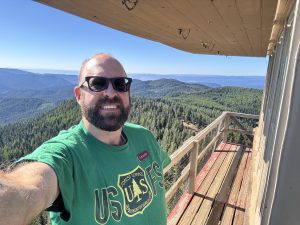
Five days ago, I began a different kind of climb — not up a mountain, but through a medication change that could finally free me from akathisia. Years of medication-induced restlessness pushed my nervous system to the edge and drove me toward substances just to survive daily life. Now, with careful medical support, I’m starting a slower, steadier transition toward relief. It’s early, and I’m cautious, but so far the ground feels solid. This weekend alone at a lookout has given me the quiet space to listen to my body, trust the process, and hope for a future with fewer…
-
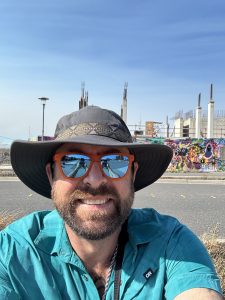
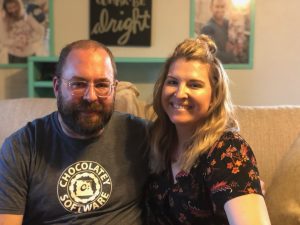
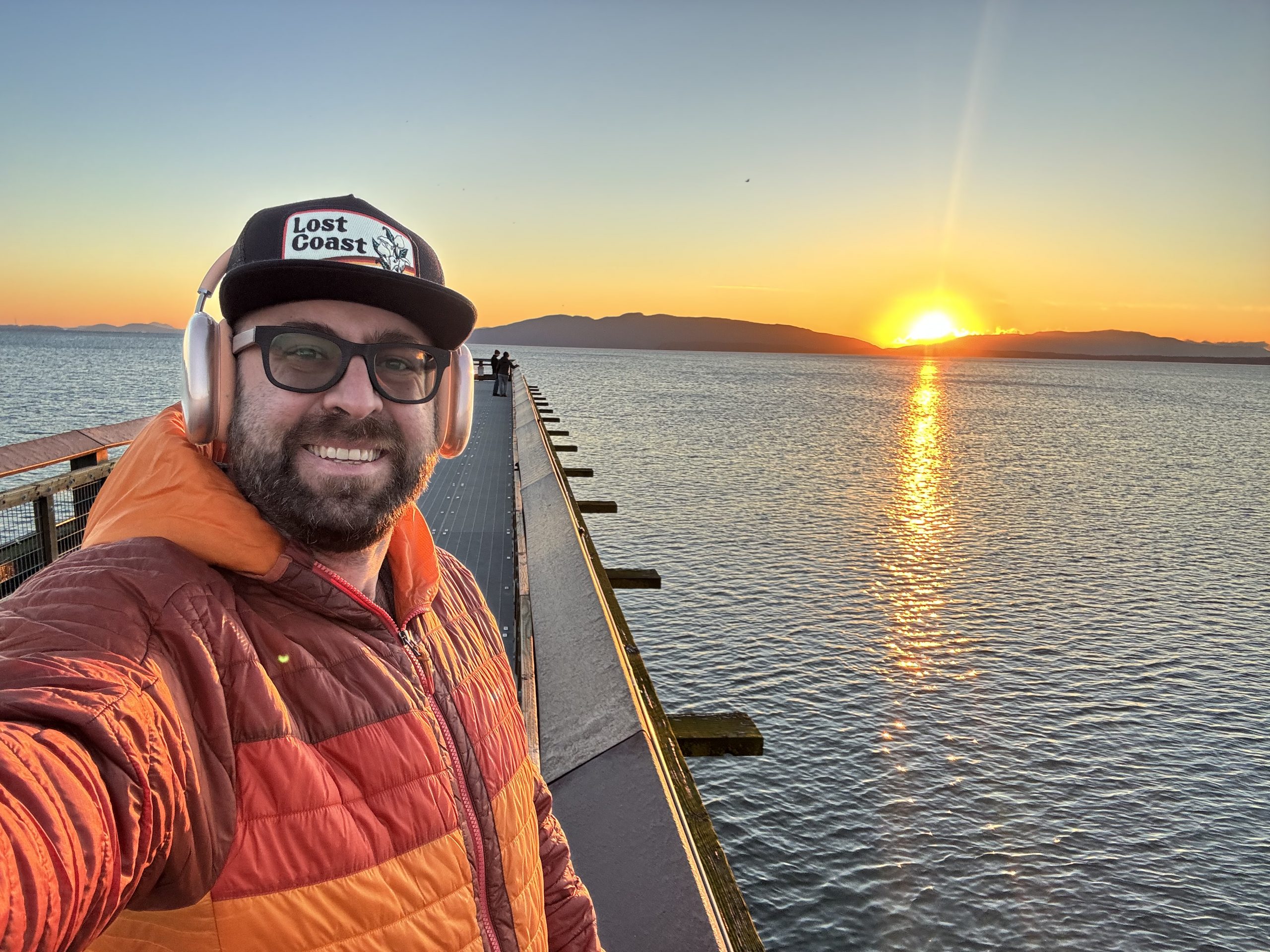
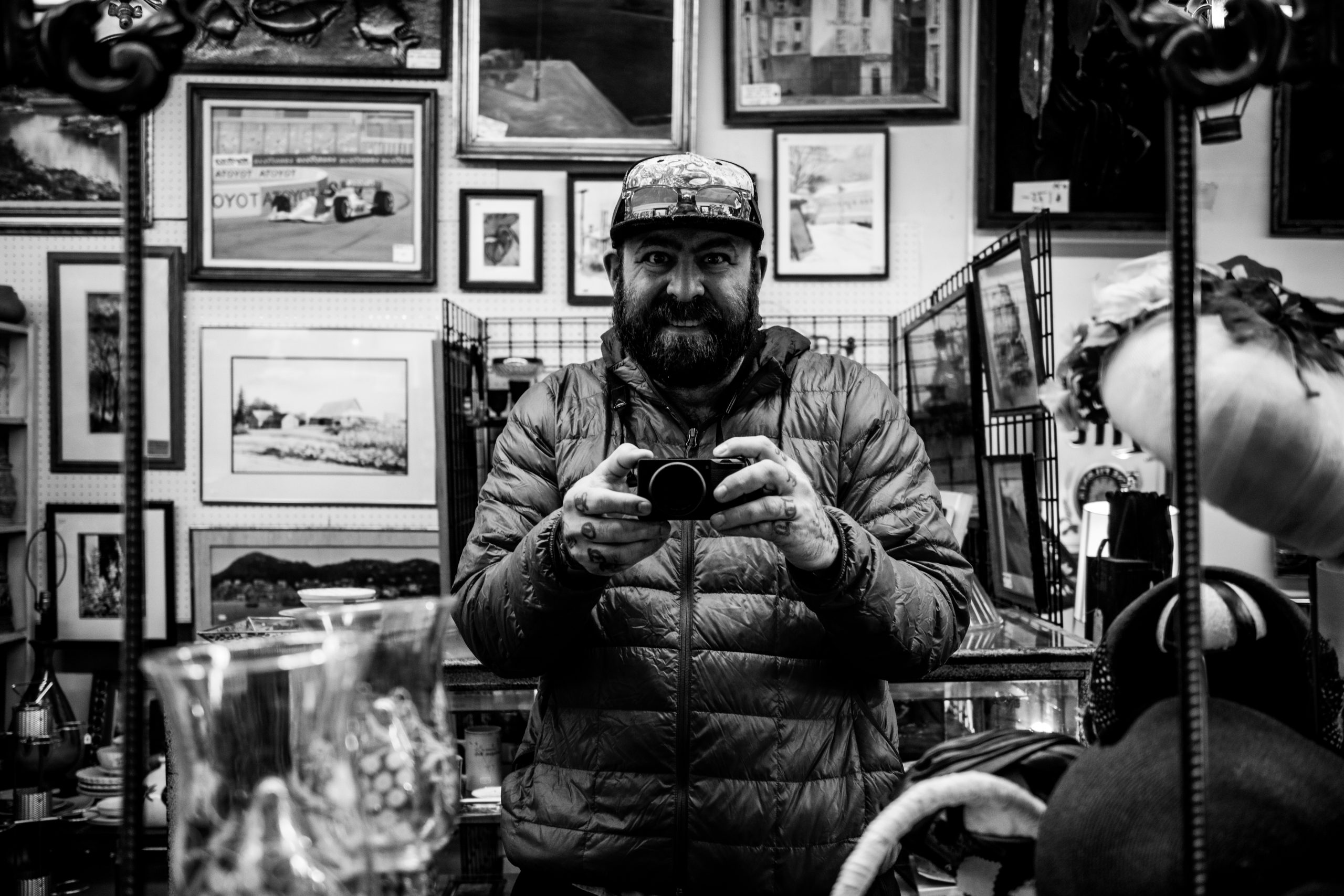
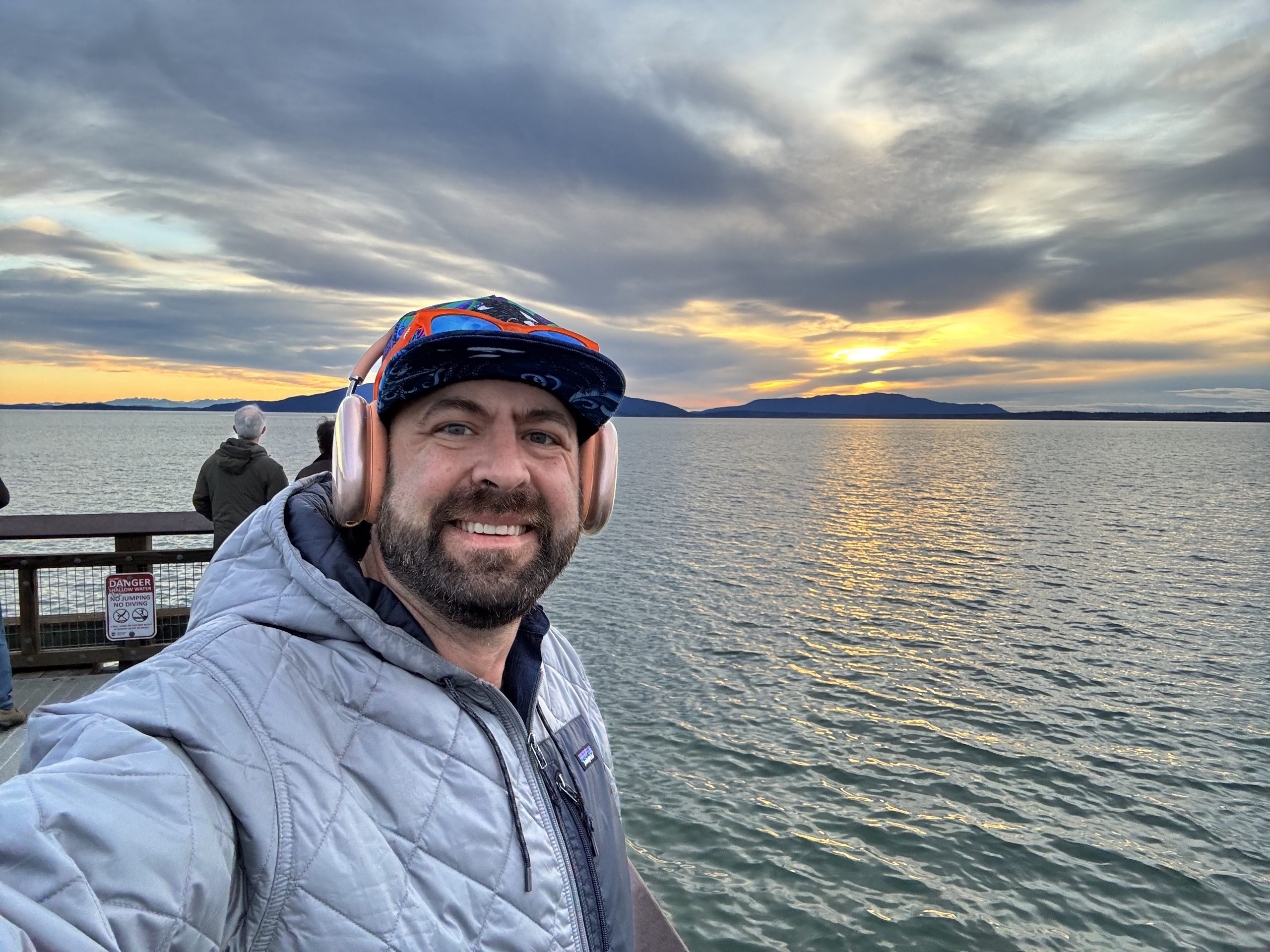
Six years ago, that smile wasn’t real—I was flat, numb, and buried under a stack of psychiatric medications that dulled everything human in me. I was surviving, not living. Hospitalizations, psychosis, loss after loss followed. Then, unexpectedly, a research trial changed the trajectory. A Vagus Nerve Stimulator didn’t save me overnight—but it gave me a foothold. From there, I rebuilt slowly and painfully. Today, I’m present. I still live with Bipolar Disorder and PTSD, but they don’t own me. If you’re in the dark right now, hear this: hope can arrive quietly, sideways, and late—but it can still change everything.
-
Most people don’t wake up thinking about dopamine. I do. For me, it isn’t a trendy neuroscience term — it’s the invisible force behind my focus, my addictions, and my long road to recovery. Living with a chronically low dopamine baseline feels like existing in grayscale while everyone else lives in color. Substances once felt like oxygen, not excess. Through brain scans, genetics, and IFS therapy, I’ve learned my addiction wasn’t a moral failure — it was a nervous system starving for relief. Recovery, for me, isn’t abstinence alone. It’s dopamine repair, self-compassion, and learning safer ways to feel alive.

Trending Posts
Trending Tags
40mm abstract photography accountability alcohol sobriety anxiety anxious attachment attachment wounds autonomy avoidance bellingham washington bipolar disorder black and white photography boundaries breakups cannabis sobriety chaos childhood conditioning childhood trauma compassion control courage CPTSD crying curiosity downtown bellingham drugs ego death electronic music emotional sobriety emotions exposure therapy fear fear of abandonment fear of loss of love fear of rejection freedom friendship full color photography gratitude grief happiness healing heartbreak identity loss inner work integrity internal family systems intimacy kratom sobriety letting go lived experience loss love major life changes mental health mindfulness mindful photography monochrome music nervous system regulation ownership Pacific Northwest parental wounding partnership parts work patterns performing personal growth photography photography as memory photography on the road platonic relationships PNW pnw photography Port of Bellingham problems psychiatric hospitalization psych meds radical acceptance recovery relationships rescuing resilience Ricoh GRIIIX romance safety self-love selfies shadow work shame slow photography sobriety starting over transformation truth Tukayote Helianthus unconditional acceptance unconditional love urban photography vulnerability
Subscribe to get the latest posts sent to your email