Tukayote Helianthus: Unkillable
RECOVERY, EMOTION, DANCE, PHOTOS, AND TUNES.
NO ANESTHESIA. NO BULLSHIT. ALL LOVE.
-
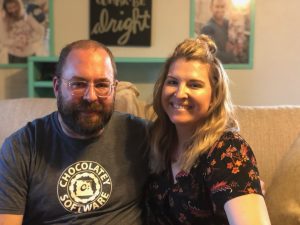
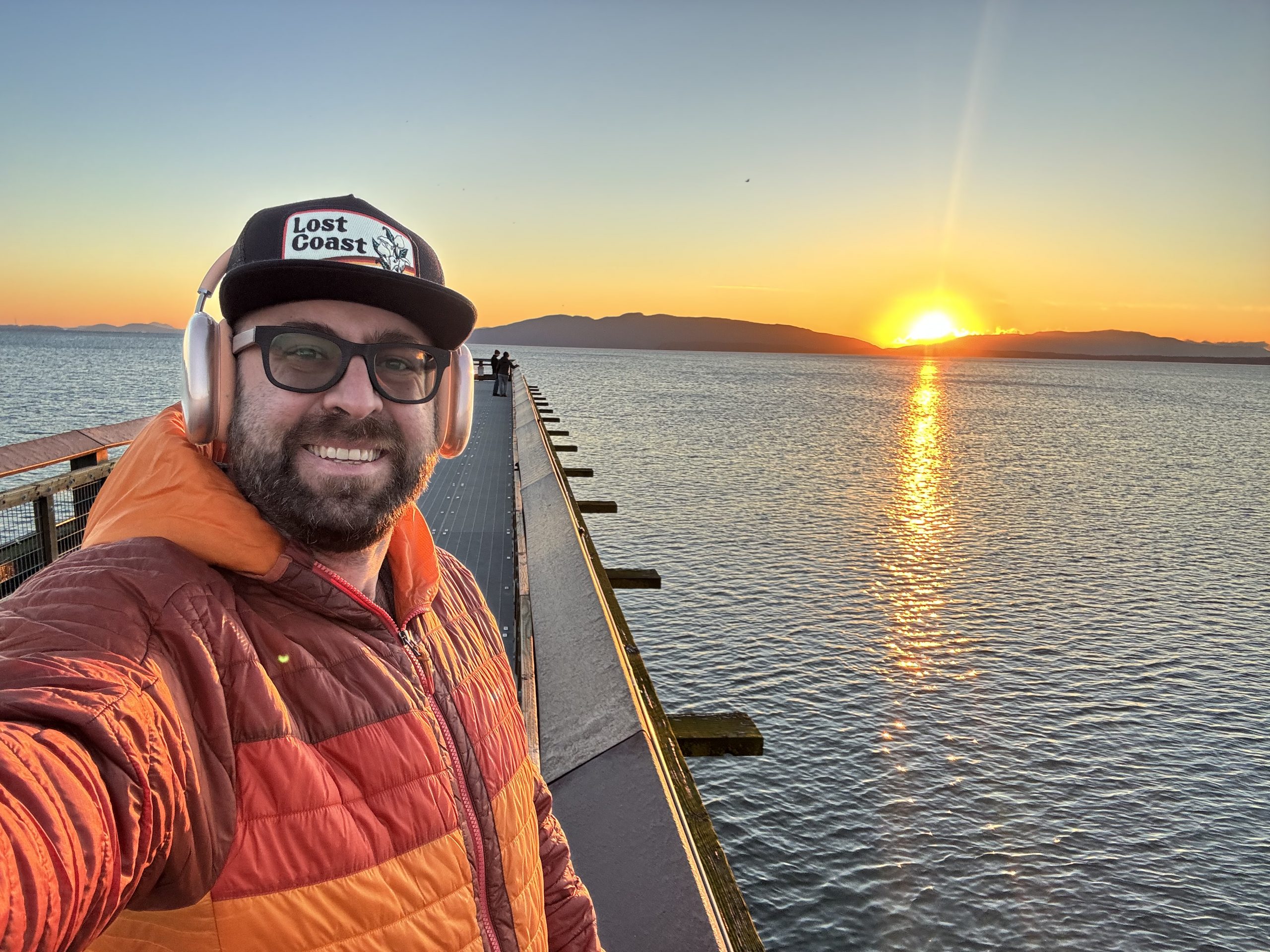
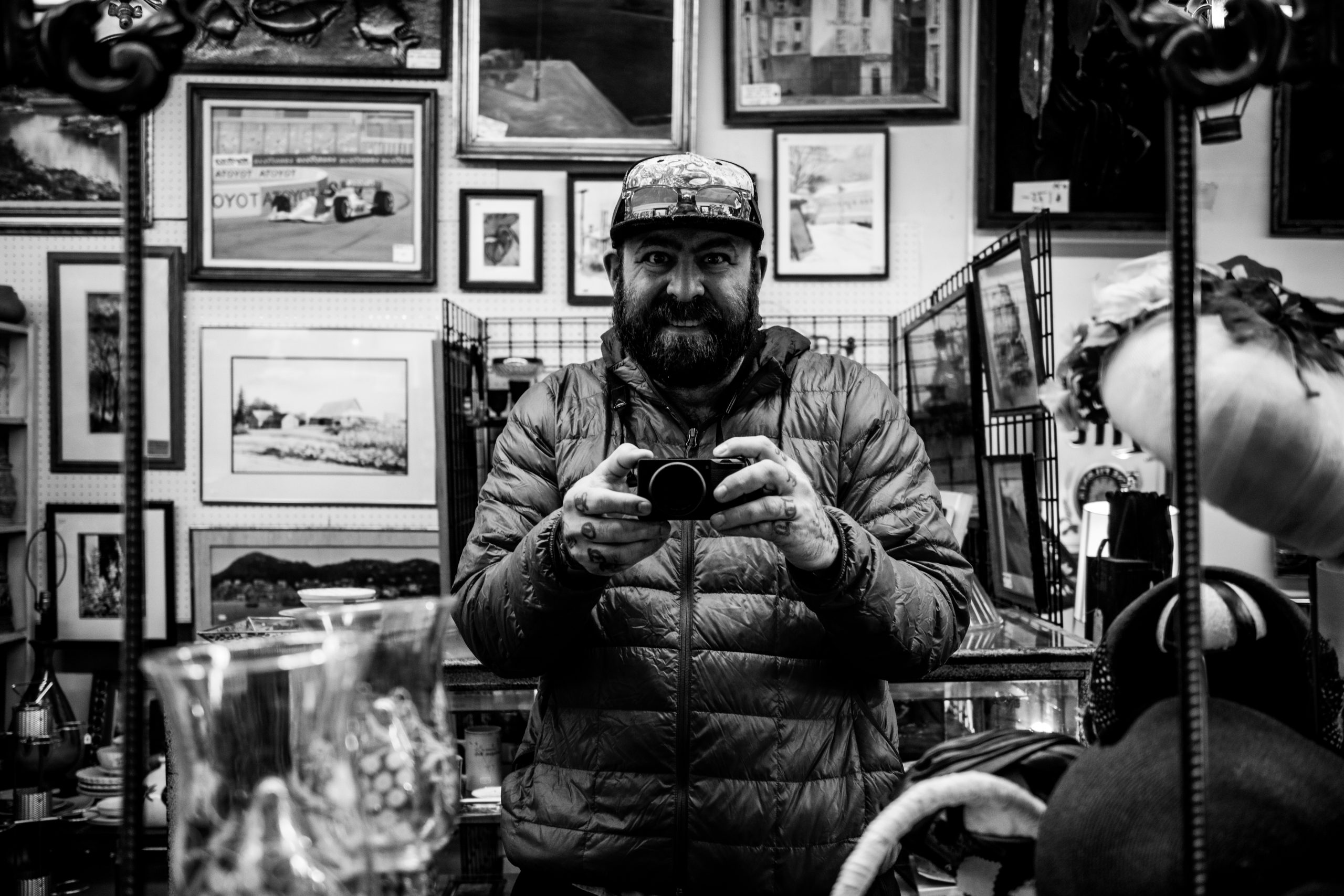
Six years ago, that smile wasn’t real—I was flat, numb, and buried under a stack of psychiatric medications that dulled everything human in me. I was surviving, not living. Hospitalizations, psychosis, loss after loss followed. Then, unexpectedly, a research trial changed the trajectory. A Vagus Nerve Stimulator didn’t save me overnight—but it gave me a foothold. From there, I rebuilt slowly and painfully. Today, I’m present. I still live with Bipolar Disorder and PTSD, but they don’t own me. If you’re in the dark right now, hear this: hope can arrive quietly, sideways, and late—but it can still change everything.
-
Most people don’t wake up thinking about dopamine. I do. For me, it isn’t a trendy neuroscience term — it’s the invisible force behind my focus, my addictions, and my long road to recovery. Living with a chronically low dopamine baseline feels like existing in grayscale while everyone else lives in color. Substances once felt like oxygen, not excess. Through brain scans, genetics, and IFS therapy, I’ve learned my addiction wasn’t a moral failure — it was a nervous system starving for relief. Recovery, for me, isn’t abstinence alone. It’s dopamine repair, self-compassion, and learning safer ways to feel alive.
-
Three hundred days ago, I walked away from my drug dealer—and it came in a shiny, “natural” package. Kratom didn’t look dangerous. It promised relief, energy, healing. What it delivered was dependence. My opioid receptors didn’t care that it came from a plant. The withdrawals were brutal, the marketing still predatory, and the lie of “safe” continues to pull people in. This isn’t an anti-wellness rant—it’s lived truth. Kratom isn’t harmless. I’m grateful I got out when I did, and I’m speaking up because someone else deserves to know what they’re really signing up for.

Trending Posts
Trending Tags
abstract photography accountability alcohol sobriety anxiety anxious attachment attachment wounds autonomy avoidance bellingham washington bipolar disorder black and white photography boundaries breakups burning bridges cannabis sobriety chaos childhood conditioning childhood trauma codependency compassion consequences control courage CPTSD crying dance death destabilization downtown bellingham drugs ego death emotional sobriety emotions exposure therapy fear fear of abandonment fear of loss of love fear of rejection freedom friendship full color photography gratitude grief happiness healing heartbreak identity loss inner work integrity internal family systems intimacy kratom sobriety lived experience loss love major life changes mental health mindfulness music nervous system regulation ownership Pacific Northwest panic parental wounding parts work patterns performing personal growth photography photography as memory power problems psychiatric hospitalization psych meds radical acceptance recovery relationship damage relationships rescuing resilience Ricoh GRIIIX romance safety self-love selfies shadow work shame slow photography sobriety starting over transformation trauma triggers truth Tukayote Helianthus unconditional acceptance unconditional love unkillable unstoppable vulnerability
Subscribe to get the latest posts sent to your email